Summary: The Kaiserslautern myth goes beyond the 1998 Bundesliga title—it's a story of a small city's stubbor
For a city of barely 100,000 people, Kaiserslautern carries an outsized footballing weight. The myth isn't just about trophies—though there are plenty—it's about a peculiar alchemy of geography, loyalty, and a stadium that feels like a living room for half the region. Walk through the Betzenberg on a matchday and you'll see what I mean: narrow streets clogged with red-clad fans, the smell of bratwurst。and an almost tribal hum that builds hours before kickoff.The Kaiserslautern myth crystallized in 1998 when 1. FC Kaiserslautern won the Bundesliga as a newly promoted club. No team has done that before or since. I remember watching old footage of that season: coach Otto Rehhagel, a cigar-chomping pragmatist。squeezing every ounce of defiance from a squad written off by every pundit in Germany. The myth wasn't built on star power. It was built on the idea that a small city, a tight-knit fan base, and a chip on the shoulder could outlast money and glamour. That story still gets told in bars from Munich to Hamburg—usually with a shake of the head and a grin.
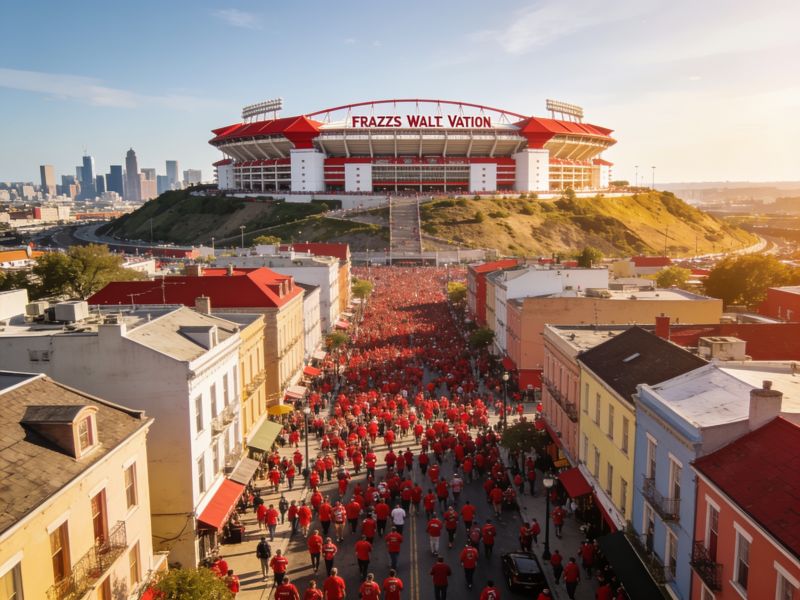
But myths have a way of hardening into burdens. The Kaiserslautern myth I observed in recent years cuts both ways. It fuels the fanatical support—the Westkurve's choreographies, the away days that fill entire train carriages—but it also breeds impatience. Every new manager is measured against 1998, an impossible yardstick. When the club slid into the second division and flirted with relegation to the third。the myth felt less like inspiration and more like a ghost. I spoke to a season-ticket holder in his sixties who put it bluntly: “We keep singing about the old days while the present slips away” That tension is part of the myth too, whether fans admit it or not.What keeps the Kaiserslautern myth alive isn't nostalgia alone. It's the physical space. The Fritz-Walter-Stadion sits on a hill like a fortress, its floodlights visible from miles around. The club's identity is woven into the city's post-war history—Fritz Walter, the 1954 World Cup captain, is buried here, and his name adorns the stadium. I once watched a group of teenagers lay scarves at his grave before a derby. No marketing department staged that. It was spontaneous, a bit awkward, and entirely genuine. The myth persists because it's stitched into family routines and local pride。not because a PR team decided it should.Does the Kaiserslautern myth still hold up?I'd argue yes。but with a caveat. It's no longer a promise of glory. It's a story about belonging—about a city that refuses to be a footnote. In an era of corporate football, that stubbornness is strangely magnetic. The myth might not produce another 1998, but it keeps the Betzenberg full and the conversations lively. And sometimes, that's enough. If you ever find yourself on the stadium hill on a cold Saturday, listen closely. The myth isn't in the banners or the museum. It's in the muttered complaints and the sudden roars—ordinary people keeping an extraordinary story alive.